
01 Strategy
We defined the job
Not "look friendly", but solved a specific trust problem: an automated, faceless pricing process, in a category where a stranger arrived at your property after dark.
We were commissioned by a new nighttime graffiti removal service where customers simply photograph the graffiti, send it to TagBadger where it uses Ai Vision to read the wall, determine the size, return a fixed price & choose a date. No site visit, no call-back queue.
We ran it through all four stages of the Character System. Created the name, the character, the team.
www.tagbadger.co.uk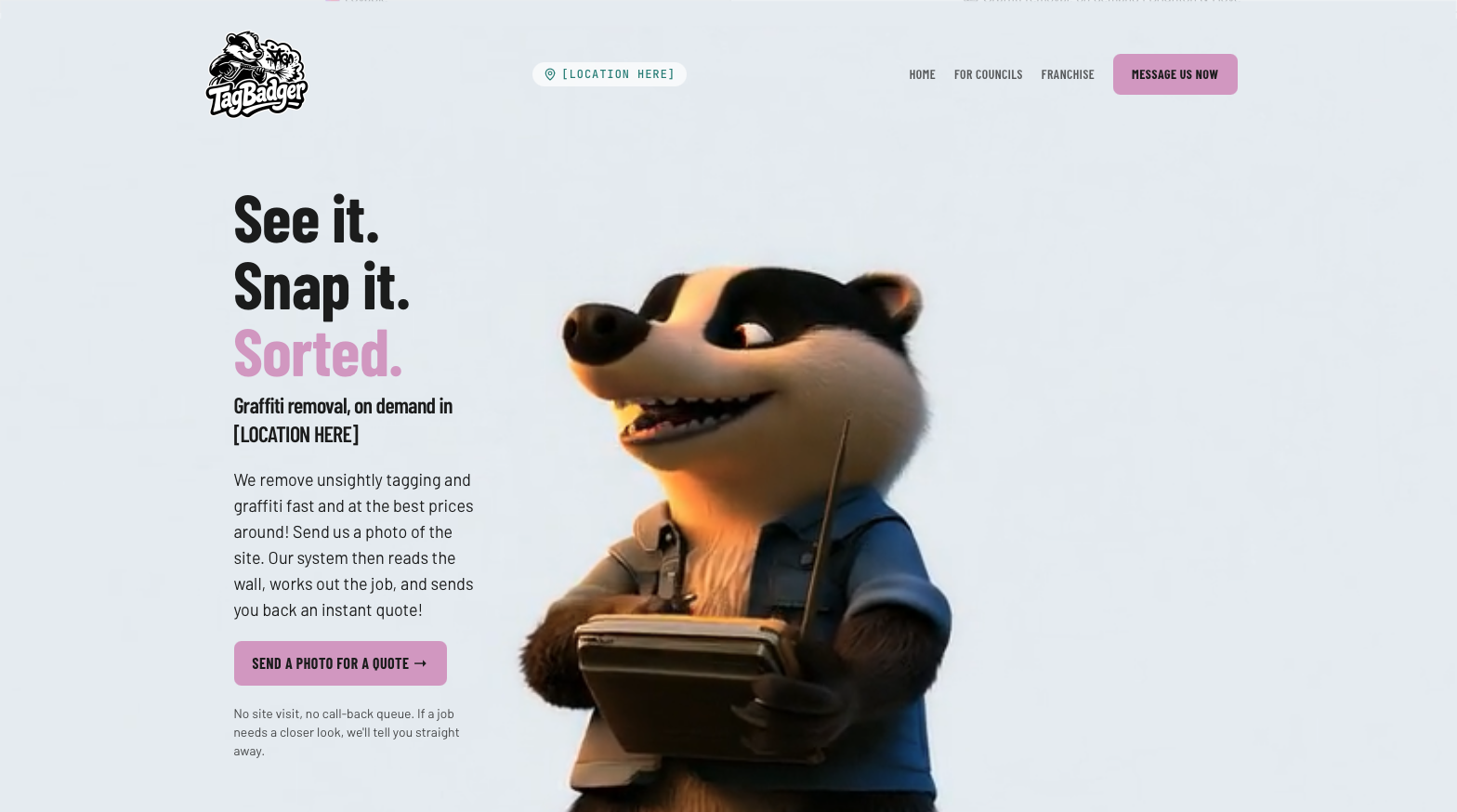
Not "look friendly", but solved a specific trust problem: an automated, faceless pricing process, in a category where a stranger arrived at your property after dark.
We tested multiple character territories before committing. A generic crew figure was rejected as too corporate; a softer animal too cute for a service that needed to read as capable.
The badger won on fit: nocturnal, matching a night-only business, territorial, matching a service built around reclaiming territory from graffiti.
TagBadger's voice was built as deliberately as the visuals: direct, no messing, quietly proud. "Three steps, not three phone calls." It carried across every page.
The signature piece was the call-sign structure: five squad members (Tagg Scout, Avenger, Buster, Terminator, Tag-zilla), each mapped to a real job size, and each carried the customer through the trust-sensitive price reveal.
Taken live on a no-code stack and launched in days. The same rigour, applied at solo founder scale.
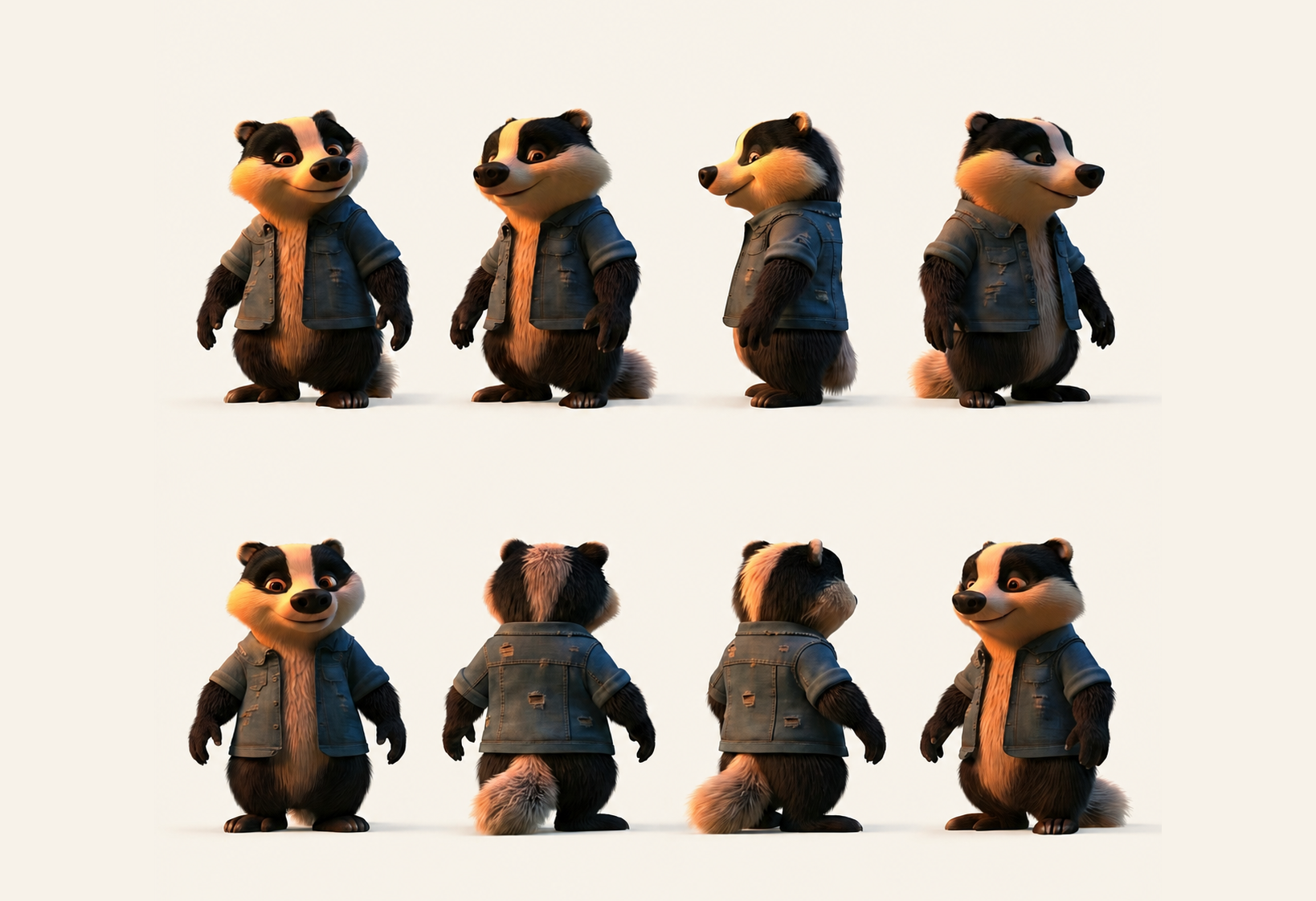
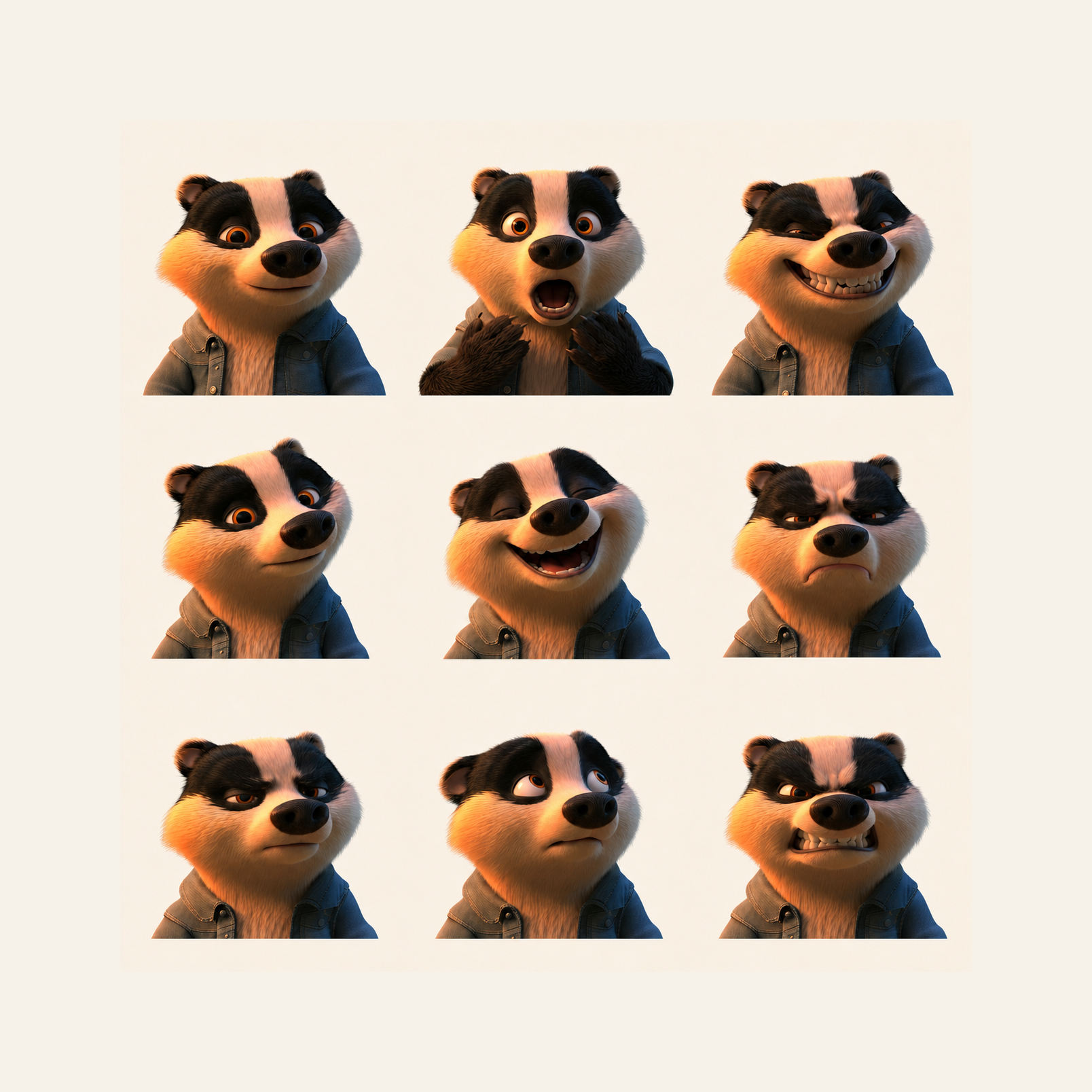

The squad: five call signs, each mapped to a real job size.
TagBadger showed the Character System was not dependent on scale, budget, or an existing brand. Applied properly, it could build a business's entire trust layer from zero, before the business had done a single job.
The idea for characters sometimes comes from inside a business. Google's Android robot did, and with professional help became one of the most recognised characters in tech.
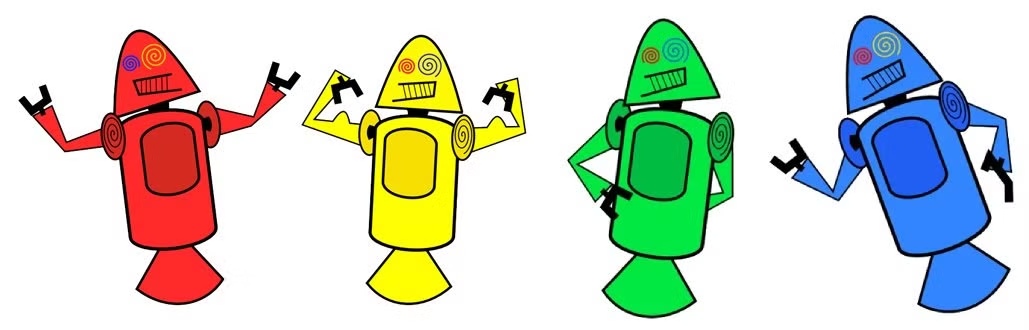
An engineer called Dan Morrill needed something for an internal slide. He knocked up four rough robots in Inkscape one afternoon.

Irina Blok was asked to look at it with a more professional design eye. The mascot grew legs. Literally.
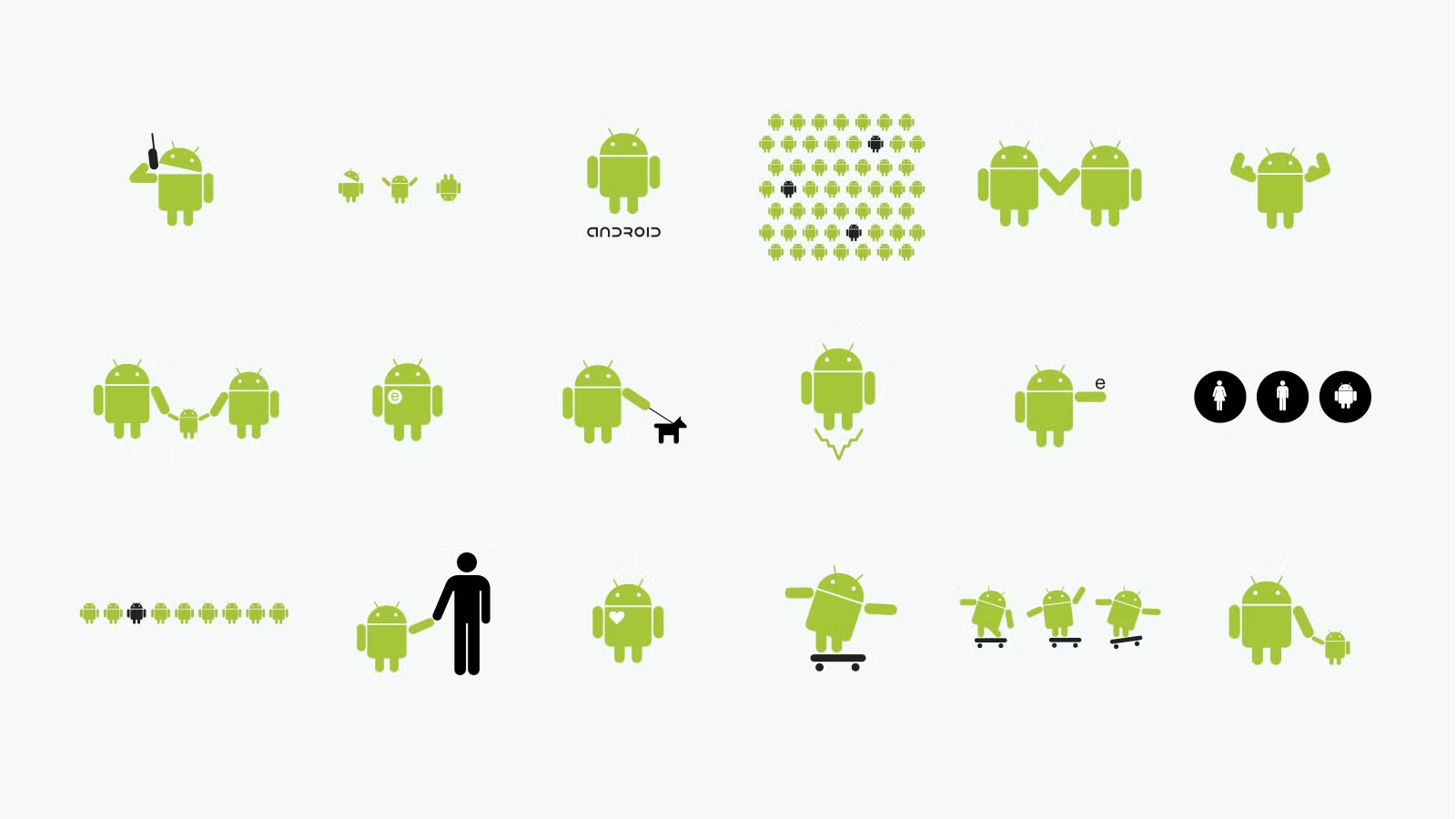
Google didn't lock the drawing down. They let anyone use it, change it, colour it. People did, by the thousand.

Seven years on, the only real change was the shade of green. Nobody touched the shape Irina drew.

Eventually, grids, angles and exact proportions were built into proper rules, and it was brought to life even more.
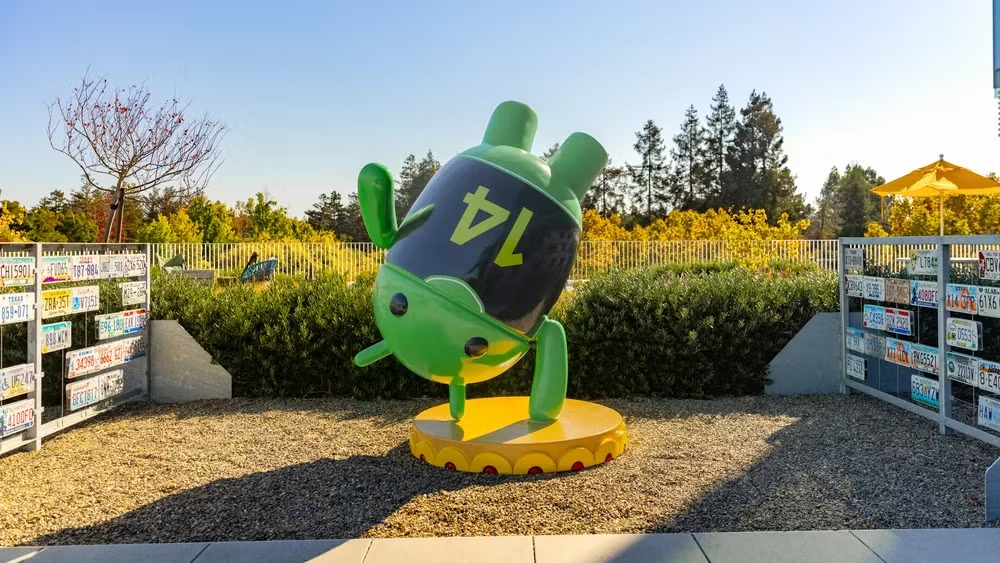
It ended up cast in fibreglass, standing on the grass outside Google's offices in California. Not bad for a five minute doodle.
It's a very typical story of a character built from the inside, given room to grow.
From enterprise to GPs to events, the number of organisations waking up to the power of character is growing every month. Book a meeting to see our case studies and examples.
Request access